


With this week's theme being sweet treats, let's have a look at sweet treats from around the world and recipes on how you can make them at home.
Tiramisu
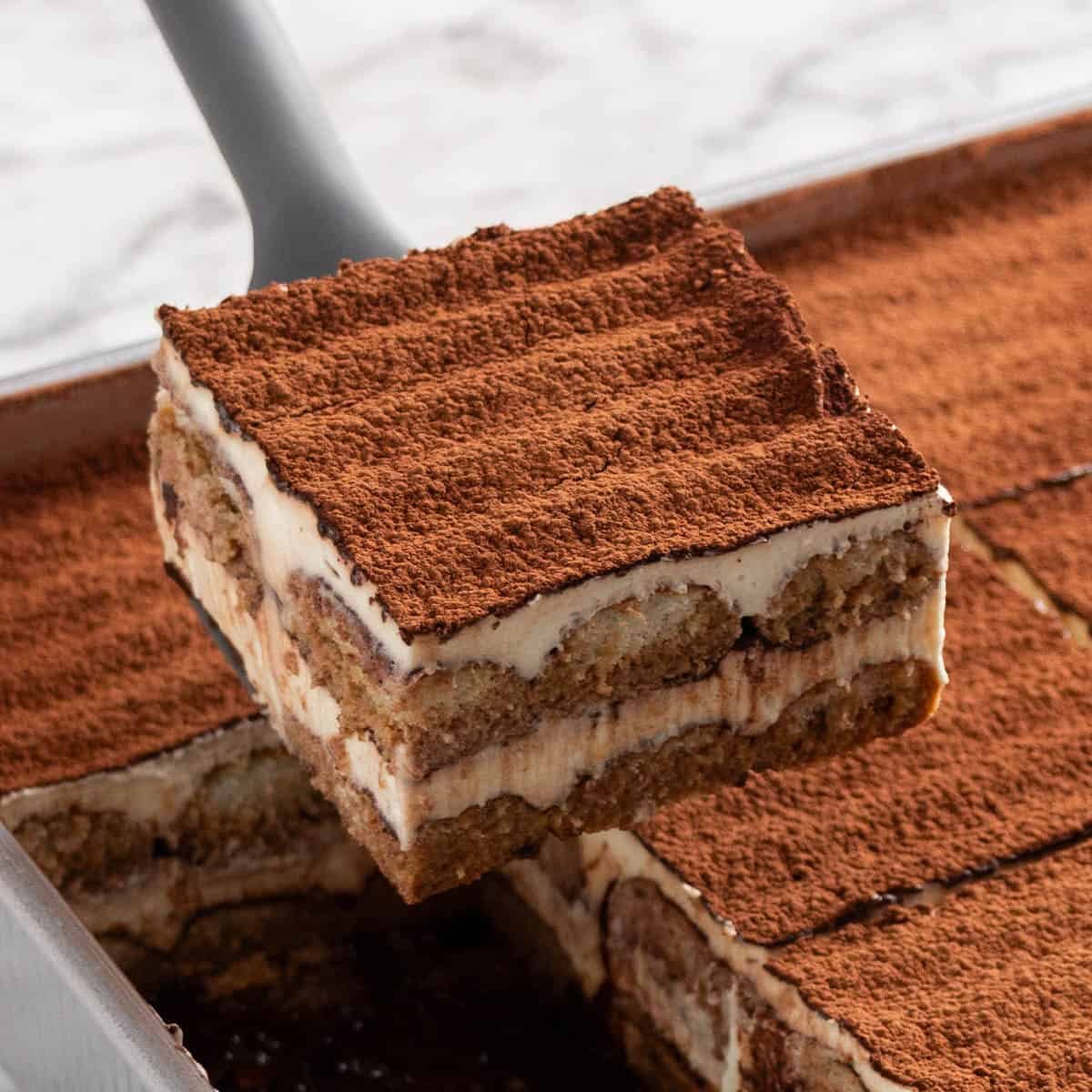
No-bake Italian dessert featuring coffee-soaked ladyfinger biscuits (savoiardi), rich and creamy mascarpone cheese, sugar and egg yolks, and topped with a dusting of cocoa powder.
Tiramisu is originally from Italy, with historical records stating it originated in Treviso in 1800. According to Accademia del Tiramisu, the recipe was created by a madam to be used as an aphrodisiac for her clients. There are, however, other versions of the history with it being a tonic for pregnant women in the 1970’s or the first recipe originating in 1959, so the history of the Tiramisu is unclear.
Tiramisu is a really easy dessert to make, as it has no baking and is a great recipe to get your little ones involved.
The recipe below serves 8-10 people and will take overnight to set.
Click Here to go to the recipe.
Thai Mango Sticky Rice
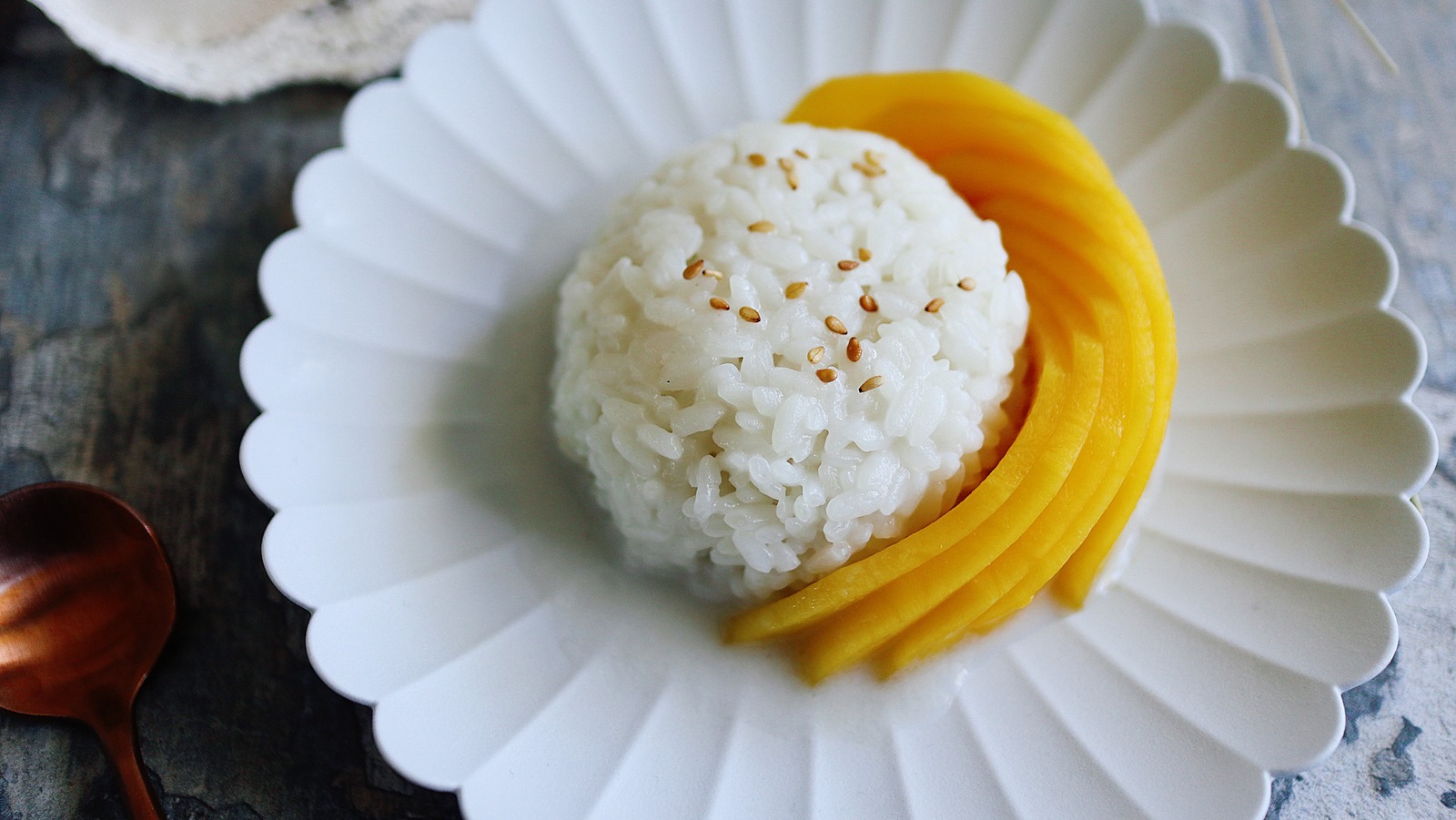
Thai Mango Sticky Rice is a traditional dessert made with glutinous, sticky rice cooked in coconut milk, paired with fresh mangoes.
Mango and Sticky rice have been eaten together since the Aytthaya Period (1351-1767). In the early Ratanakosin era, the dish was mentioned in the Royal Poetry, celebrating Thai dishes and desserts. No one really knows who invented the dish, but it has rapidly become a key and beloved part of Thai culture.
This dessert is pretty similar to making rice pudding, so if you can make rice pudding, you can definitely make Thai Sticky Rice.
This recipe serves 4 people and can take 40 minutes, plus soaking the rice.
Click Here to go to the recipe.
Lusikkaleivat
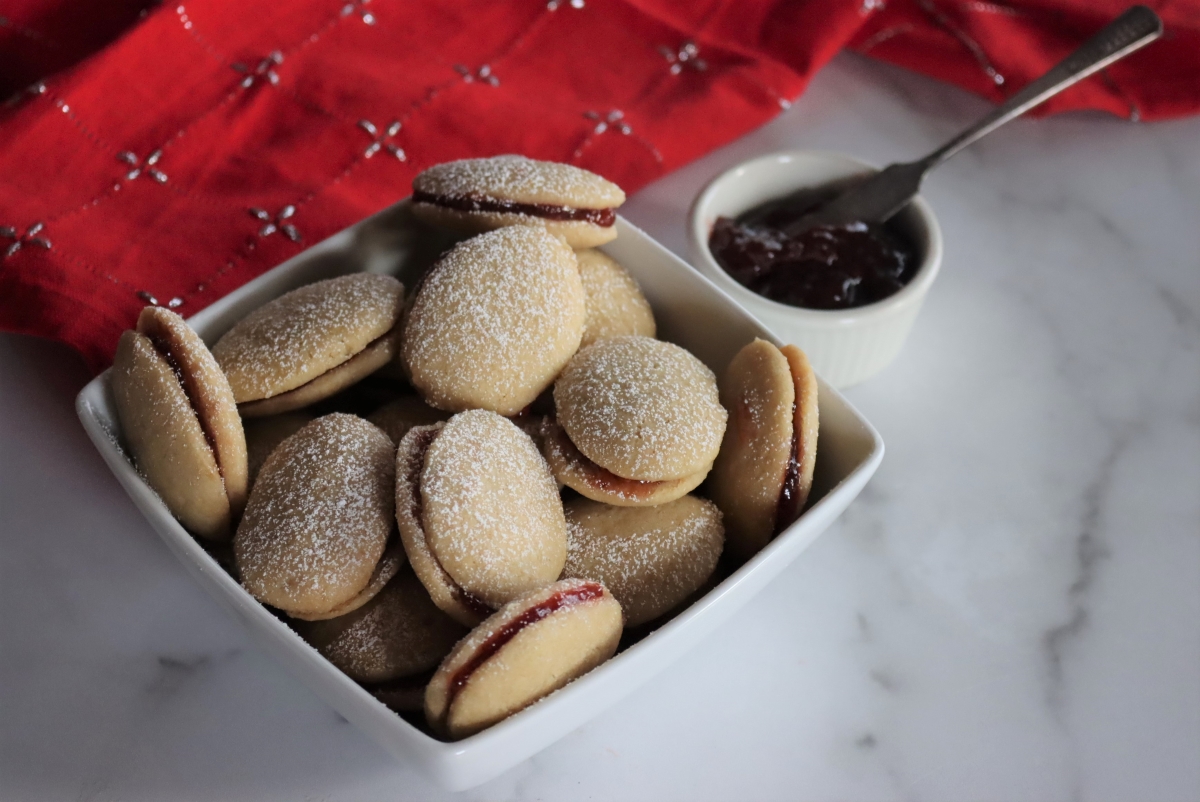
The Lusikkaleivat has been around since the 20th century and roughly translates to spoon cookie, mainly due to creating the shape by pressing the dough into a spoon. The Lusikkaleivat has a nutty and sweet flavour worth the addition of the jam, and is a perfect recipe for you and the kids to have a go at.
This recipe should take 1 hour to make and will make up to 24 cookies.
Click Here to go to the recipe.
Tres Leches
:max_bytes(150000):strip_icc()/7399-tres-leches-milk-cake-ddmfs-beauty-4x3-BG-25699-342a9c33649b439884f0edab17fdacf2.jpg)
Tres Leches is a cake, soaked in 3 milks: evaporated milk, condensed milk and whole milk or cream, which is very popular in Latin America.
Tres leches is thought to have originated in the Latin American area, in Mexico or Nicaragua. There is a theory that Nicaragua created the dessert, and when there was the revolution between 1979 and 1990 and an earthquake, Nicaraguans fled to Miami, bringing the recipe with them. There is also a supposed connection to England in the Middle Ages, as a Tres Leches could be classified as a trifle. Soaking cake was an easy way to repurpose old or stale cake. This would make sense because Nicaragua was colonised by both Spain and England between 1522 and 1860.
Nestle was the first to publish the recipe on the side of their sweetened condensed milk between the 1930’s and 40’s during WW2.
This cake will take a total of 5 hours; this is mainly due to the soaking time. The cake will serve 12 people.
Click Here to go to the recipe.
Palmiers
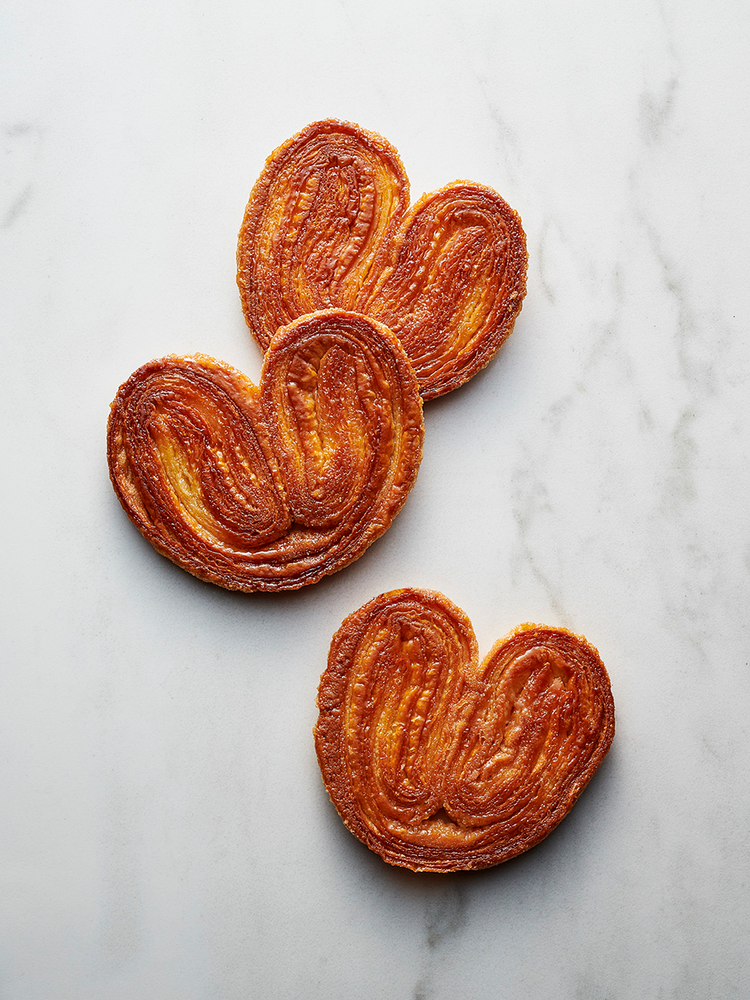
Palmiers are caramelised puff pastry, which is often shaped like a heart or leaves
Palmiers are thought to have emerged in the early 20th century in Austria or France as a way to re-use leftover puff pastry; their roots are seen to be in Middle Easten countries for laminated dough, like filo pastry. The name Palmier means palm leaves in French; this is probably due to the look of the biscuit. There are other names for the pastry, such as pig or elephant ears in Spain and Germany.
The recipe below makes around 19 Palmiers. Click Here to go to the recipe.
Semlor Buns
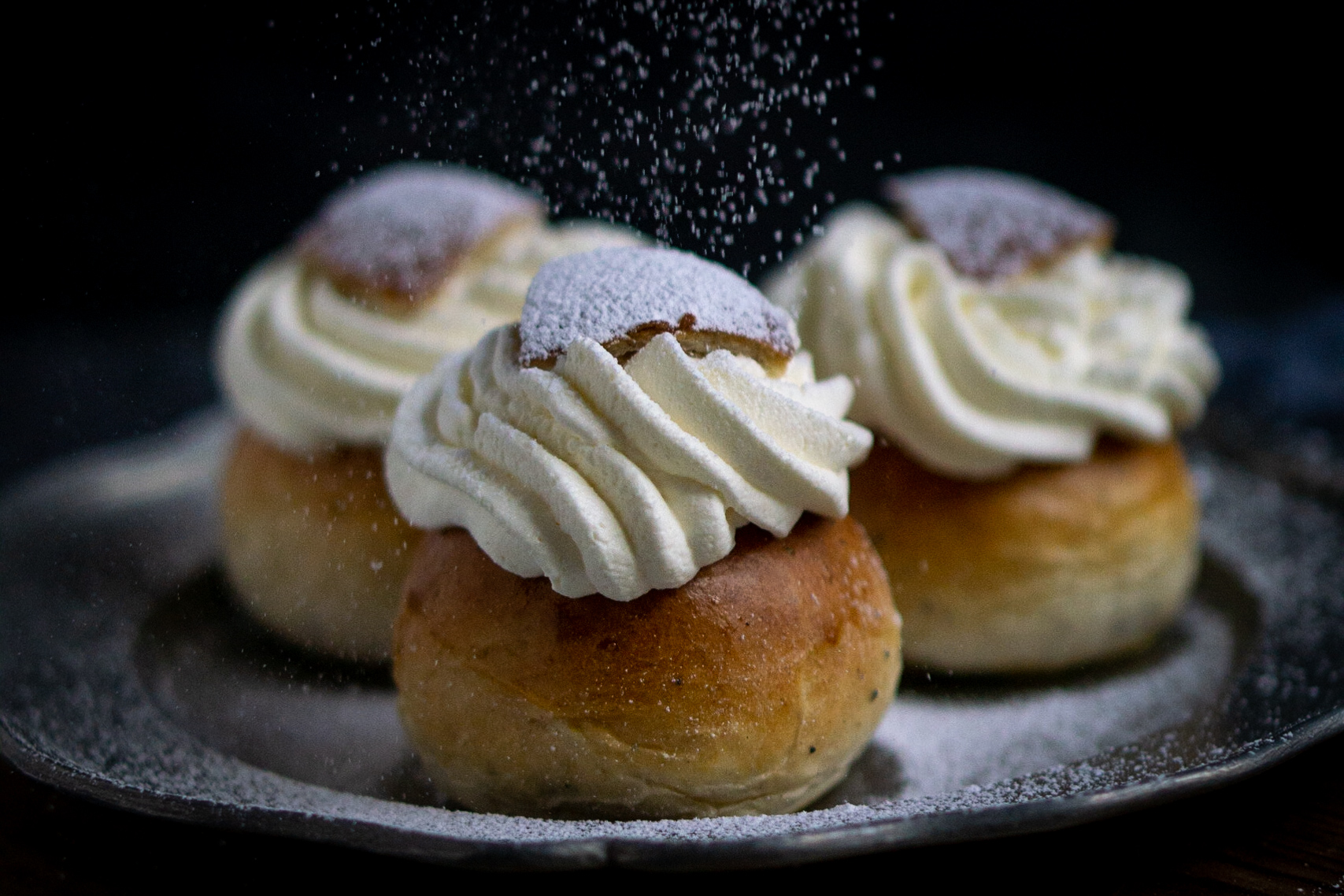
Semlor buns are Swedish cardamom-spiced wheat buns. Filled with almond paste and whipped cream, topped with icing sugar.
These buns made their first appearance in the 1500’s and is eaten at a feast three days before the Lent fast to show the religeous significance and survive the upcoming fast. During the three days before Lent, there would be many other foods including the semlor bun.
Semla refers to the bun itself, which can be pretty dry. To combat this, you would add a filled semla and placed in a warm bowl of milk, depending on the availability of the ingredients, this would determine the contents of the semla. Almonds and cardamom became more available to everyone in the 1800’s.
The recipe serves 12 buns.