


In March 2026, new Peppa Pig episodes were released, showing a new storyline in the show, George receiving a hearing aid due to moderate hearing loss in one ear and the journey the family takes from the discovery to living day-to-day life. Peppa Pig has released 2 episodes in season 9 solely focused on George and his hearing journey; this is a continued theme throughout the rest of the season.
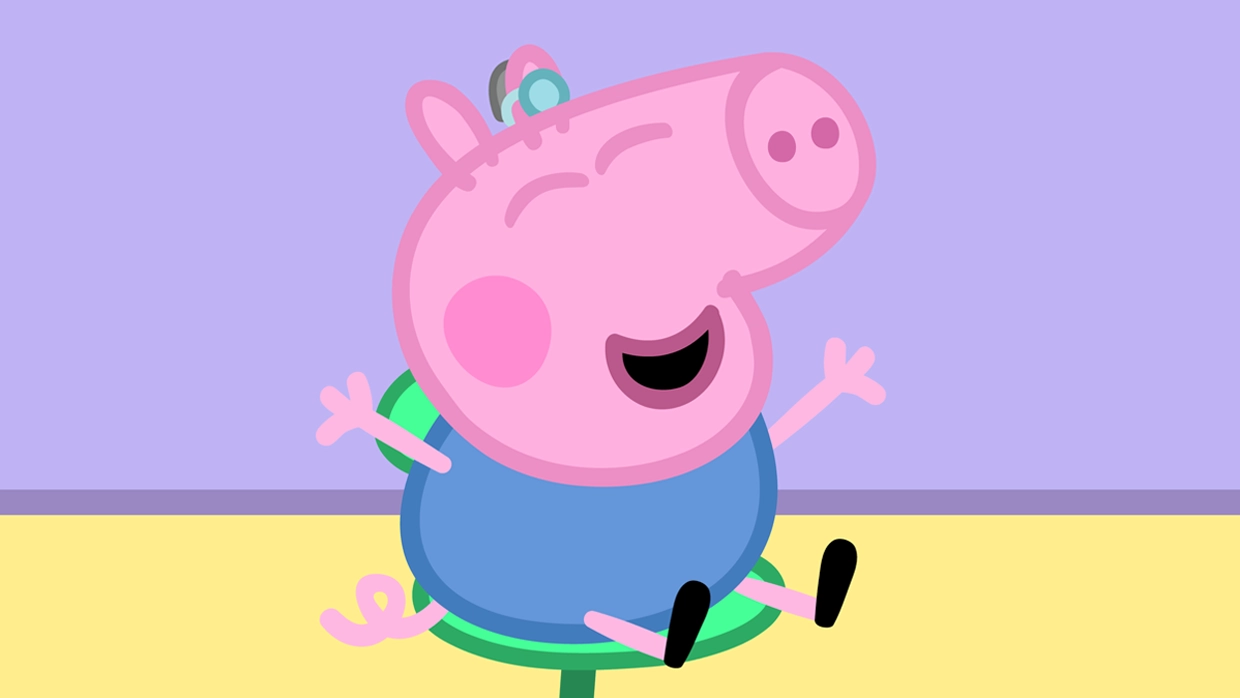
The production has been working closely with the National Deaf Children's Society to ensure the portrayal of deafness and different types of hearing loss is realistically reflected in the story.
The hope for this storyline is that it will raise awareness of childhood deafness, help parents spot the signs of hearing loss, and highlight the support that’s available for families
In this blog post, we want to outline what you should be looking out for if you think your child may be having difficulties hearing, Deaf communication tips, and ways that the National Deaf Children’s Society can support you and your child.
What to look out for
Some children are born deaf, and others have hearing loss at any stage of development. This is why it can be difficult for parents to recognise deafness, especially when the hearing loss is affecting only one ear or is mild.
Here is a list from the National Deaf Children’s Society of what to look out for if you are concerned that your child may have hearing loss:
- Red ears in babies and/or pulling at their ears
- Watching faces and lips intently
- Difficulties with reading and learning
- Difficulties with speech and communication, mispronouncing words, or talking louder or softer than expected
- Not responding when called or misunderstanding instructions
- Wanting the volume of the TV to be higher than that of other people
- Constantly saying "what?" or asking for speech to be repeated
- Watching what others are doing before doing it themselves
- Finding it difficult to follow what’s going on if there’s background noise
- Appearing inattentive or as though daydreaming
- Struggling to concentrate, feeling tired, appearing withdrawn or frustrated
If you are concerned about your child’s hearing, speak to your GP. Depending on where you live, you may also be able to self-refer to an audiologist.
Deaf communication tips
Deaf awareness is respecting and understanding that deaf people may have different ways to communicate, unique journeys to deafness and may need different types of support.
The National Deaf Children's Society has lots of free resources, including this handy checklist with tips on communicating with deaf children and young people.
- Find out how they like to communicate - Every deaf person has their preferences on how they like to communicate, so make sure that you ask them about this
- Get their attention with a light tap on their shoulder, knock on a table or wave.
- Speak Clearly - Speak how you normally would; speaking too slowly or loudly can make lipreading more difficult. In group settings, ensure that everyone is communicating one at a time, ensure you repeat what you've said when asked, and signal before you speak or sign so that they know where the conversation is being directed.
- Face them so that they can hear your voice, but also can lip-read.
- Make sure your face is well-lit so that it is easier to lip-read
- Reduce background noise - Did you know that hearing aids and implants make sound clearer, but do not restore typical hearing? The person wearing the hearing aid or implant will need to focus very hard in order to focus on your voice over everything else. Make sure to block unnecessary noise by closing windows and staying away from traffic.
- Write things down if you are struggling to communicate. The dictate option on phones is a really good option to transcribe your speech.
- Use Gestures - Make sure to point to what you are talking about, and do not shy away from using gestures to communicate.
- Do not say “I’ll tell you later” - Deaf children and young people have told the National Deaf Children’s Society, this is a pet hate phrase. They want to be included, just like everyone else. If asked, repeat what you are saying using the tips above, and if they are still not understanding, try to change your phrasing. If one method is not working, do not be afraid to improvise.
How can the National Deaf Children’s Society support you
There are so many ways in which the charity can support families of a deaf child, so please reach out as they’d love to help and support you. Below is a list of ways in which the charity can support you.
- Online Information about childhood deafness and hearing loss, including communication, education and family life.
- A helpline to get free independent advice, information and guidance
- One-to-one support for families of deaf children
- Learn about local support groups near you, hosted by the charity
- Free online learning for professionals who work with deaf children or young people
- Community grants, including receiving up to £10,000 to support deaf children in your area
- My NDCS app helps to support deaf families within the UK by discovering expert information, inspiring stories and upcoming online events
We hope this blog post has been informative, helpful, and has helped to bring more awareness about deafness.
Make sure to look at the National Deaf Children’s Society website to get more in-depth information and support.
Links to the referenced pages on the National Deaf Children’s Society website:
Signs of Deafness and Hearing Loss